
Is Vastu Shastra scientific? The honest answer is that some Vastu principles reflect practical architectural wisdom, such as improving sunlight, ventilation, spatial organisation and thermal comfort.
However, claims that a particular direction can guarantee wealth, prevent illness or determine a person's future have not been scientifically proven. Vastu can therefore be useful as a traditional design framework, but it should not be treated as an exact science or a substitute for sound architecture.
So, does Vastu really work?
The relationship between open and built spaces - The five natural elements: earth, water, fire, air and space. Many of these considerations made practical sense when homes depended primarily on daylight and natural ventilation. Long before air conditioners, mechanical ventilation and electric lighting existed, the direction and arrangement of a house could significantly affect its temperature, brightness and comfort.
The difficulty arises when sensible planning principles become mixed with rigid predictions, fear-based remedies or claims that cannot be tested.
Is Vastu Shastra Scientific?
To answer "is Vastu Shastra scientific?", it is important to separate individual principles from the entire belief system. Modern science relies on measurable evidence, controlled testing, repeatable results and explanations that can be independently verified. Vastu Shastra as a complete system has not been validated through sufficient controlled scientific research. Therefore, it cannot currently be described as a scientifically proven discipline.
However, certain Vastu Shastra facts overlap with established ideas in architecture and environmental design. Natural light, airflow, heat control, room functionality and uncluttered spaces can all affect how comfortable a home feel. The World Health Organization notes that better ventilation can improve indoor air quality, while studies have linked appropriate daylight exposure with circadian health and well-being. World Health Organization, National Library of Medicine
This does not prove Vastu as a whole. It simply shows that a few traditional recommendations may have understandable environmental or architectural benefits.

Common Vastu Myths and the Facts Behind Them
Myth 1: A North - or East Facing Home is Always Auspicious
North- and East facing homes are often presented as automatically favourable, while other orientations are sometimes rejected without considering their design.
Fact: No direction is universally perfect.
A home's comfort depends on its geographical location, climate, surrounding buildings, window placement, shading and internal layout. An east- facing home may receive pleasant morning sunlight, but that alone does not guarantee happiness or success. Similarly, a west - or south facing home can be comfortable and energy - efficient when designed with suitable glazing, shading, insulation and ventilation.
Building orientation does not matter in architecture, but its effect is related to sunlight, heat gain and energy performance rather than luck. The ideal orientation can change according to the local climate and the building's surroundings.
Myth 2: A South-Facing Entrance Brings Misfortune
One of the most common Vastu myths is that a south-facing entrance necessarily leads to financial problems, conflict or poor health.
Fact: There is no scientific evidence that the direction of an entrance determines a family's future.
The practical quality of an entrance depends on factors such as accessibility, security, weather protection, lighting and ventilation. A well-designed south-facing entrance may be more functional than a poorly planned entrance facing a supposedly favourable direction. Rejecting an otherwise suitable property solely because its entrance faces south may not be justified.
Myth 3: The Kitchen Must Be in the South-East
Traditional Vastu connects the south-east with fire and therefore recommends placing the kitchen there.
Fact: Kitchen safety and performance depend more on ventilation, plumbing, work flow and fire protection.
The south-east may work well in some layouts, but it is not the only acceptable location. In a modern apartment, the positions of service ducts, water lines, exhaust outlets and gas connections may be more important. A safe, clean and well-ventilated kitchen is more valuable than forcing the room into a direction that creates an impractical floor plan.
Myth 4: Sleeping with Your Head Facing North Is Dangerous
Some traditional beliefs claim that sleeping with the head towards the north can cause health problems because of the Earth's magnetic field.
Fact: There is no strong scientific evidence showing that this sleeping direction causes illness in healthy individuals.
Sleep quality is influenced more clearly by factors such as noise, temperature, mattress comfort, light exposure, stress and daily routines. If rearranging the bed makes a person feel more comfortable, there is usually no harm in doing so. However, it should not create unnecessary anxiety.
Myth 5: A Toilet in the "Wrong" Direction Creates Negative Energy
Bathrooms are frequently treated as major Vastu defects, especially when located in certain corners of a home.
Fact: Poorly maintained bathrooms can certainly affect a home, but through moisture, mould, odour, leakage and hygiene problems.
These are genuine concerns that should be addressed through waterproofing, ventilation, plumbing and regular maintenance. The direction itself has not been scientifically shown to cause financial or emotional difficulties.
Myth 6: Mirrors Can Double Wealth or Problems
Mirrors are sometimes said to multiply whatever they reflect. Based on this belief, people may be advised to place or remove mirrors to influence prosperity.
Fact: Mirrors affect light, visibility and the visual perception of space.
A carefully positioned mirror can make a compact room appear larger or brighter. A mirror facing the bed may disturb someone who dislikes seeing reflections at night, but this is a matter of personal comfort rather than supernatural energy.
Myth 7: Vastu Remedies Can Correct Every Structural Defect
Objects such as pyramids, crystals, symbols, colours and metallic strips are often promoted as easy remedies for Vastu defects.
Fact: Decorative objects cannot repair structural or environmental problems.
A crystal cannot correct poor airflow. A pyramid cannot stop water leakage. A change of colour cannot compensate for unsafe wiring or inadequate daylight. Such objects may have cultural, decorative or emotional value, but they should not replace proper architectural or engineering solutions.
Does Changing House Direction Really Affect Life?
The question "does changing house direction really affect life?" requires a careful answer.
Changing the orientation or internal arrangement of a home can affect everyday experience when it changes:
- The amount of natural light entering the rooms
- Heat exposure during different times of the day
- Cross-ventilation and indoor air movement
- Privacy and external views
- Noise from roads or neighbouring properties
- Ease of movement between rooms
- Energy consumption and cooling requirements
The US Department of Energy recognises building orientation as an important part of passive solar design because it affects solar heat and energy performance. US Department of Energy Therefore, direction can affect a home physically. What has not been proven is that direction independently determines promotions, marriage, wealth, illness or family relationships.
Traditional Vastu Beliefs vs Modern Science
The difference between traditional Vastu beliefs vs modern science lies mainly in how each system explains cause and effect.
| Traditional Vastu belief | Modern scientific perspective |
|---|---|
| Directions possess specific energies | Orientation affects sunlight, heat, airflow and energy use |
| Certain room positions attract prosperity | Functional layouts may improve convenience and comfort |
| Structural defects cause misfortune | Poor construction may create safety, health or maintenance problems |
| Remedies can neutralise negative energy | Physical problems require architectural or engineering solutions |
| One directional rule works for every home | Design should respond to climate, location and individual needs |
Traditional knowledge should not automatically be dismissed. It can preserve observations developed across generations. At the same time, an old belief does not become scientifically true simply because it has been followed for centuries.
A sensible approach is to retain ideas that improve the home and reconsider those based entirely on fear or unverifiable promises.
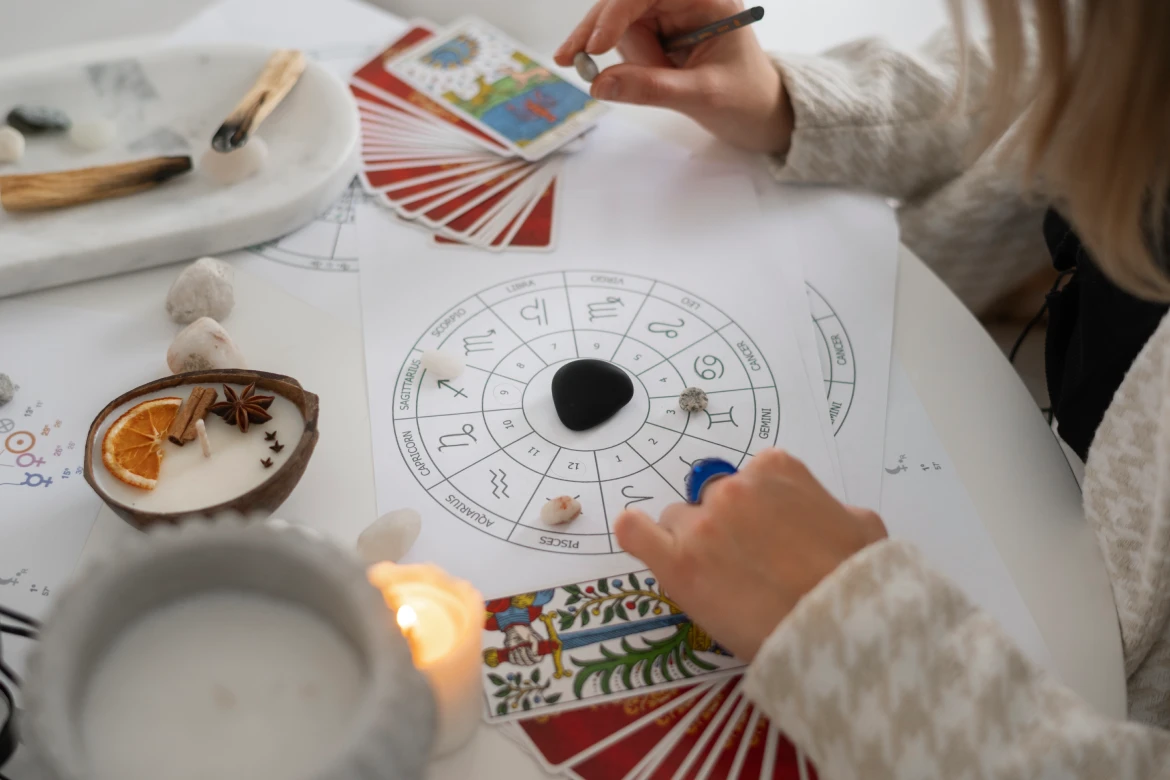
What Does Science Say About Vastu Shastra?
When people ask, "what does science say about Vastu Shastra?", the clearest answer is that science supports some of the environmental outcomes associated with good building design, but it does not confirm the astrological or supernatural claims attached to Vastu.
Research and public-health guidance support the importance of:
- Adequate natural and mechanical ventilation
- Access to daylight
- Comfortable indoor temperatures
- Noise control
- Safe construction
- Sufficient living space
- Protection from dampness and pollutants
- Functional, accessible layouts
There is no comparable scientific consensus showing that a particular entrance direction attracts money or that placing an object in a corner changes future events.
Is Vastu Shastra Proven?
No, Vastu Shastra is not proven as a complete scientific system. There is not enough high-quality, repeatable evidence demonstrating that Vastu-compliant homes consistently produce greater wealth, health or success than non-compliant homes.
This does not mean every Vastu recommendation is useless. It means each recommendation should be assessed individually. Ask practical questions:
- Will this change improve ventilation?
- Will it bring in useful daylight?
- Will it reduce heat or glare?
- Will it make the room safer?
- Will it create a more functional layout?
- Will it improve comfort without damaging the structure?
If the answer is yes, the recommendation may have practical value. If the only explanation is that something terrible will happen otherwise, it deserves greater scrutiny.
Why Do People Believe in Vastu Shastra?
There are several answers to why people believe in Vastu Shastra. First, Vastu is connected to culture, family traditions and religious practices. Following it can create familiarity and emotional reassurance. Second, people naturally look for patterns when experiencing success, failure or uncertainty. If something positive happens after a Vastu change, the change may receive credit even when other factors contributed to the result.
There is also a psychological effect. When people believe their surroundings are supportive, they may feel calmer and more confident. This can influence decisions and behaviour, but it does not prove that the physical direction itself changed their fortune. Finally, buying or renovating a home is a major decision. Vastu may provide a sense of structure and control during a stressful process.
Can Vastu Shastra Be Ignored in Modern Homes?
Yes, Vastu Shastra can be ignored in modern homes if the residents do not wish to follow it. A home can be safe, peaceful and comfortable without being fully Vastu-compliant.
However, Vastu may still matter personally or commercially. A homeowner may value it for cultural reasons, while a property buyer may consider it important for future resale. In such situations, Vastu can be incorporated as a preference, provided it does not compromise:
- Structural safety
- Fire regulations
- Plumbing and electrical systems
- Ventilation
- Natural light
- Accessibility
- Space efficiency
- Local building codes
In apartments, especially, residents may have limited control over the entrance, kitchen or bathroom positions. Small, non-structural adjustments can be considered if they offer peace of mind, but expensive demolition is rarely justified without a genuine functional reason.
How to Approach Vastu in Dubai Homes
Dubai presents a distinct architectural environment. Apartments and villas must respond to intense heat, strong sunlight, air-conditioning requirements and established building regulations. Glass facades, tower orientation, balcony exposure and mechanical ventilation can matter more to everyday comfort than traditional directional rules.
Anyone consulting a Vastu consultant in Dubai should choose a professional who understands both traditional principles and contemporary architecture. Astro Ashish Bhai offers personalised Vastu guidance that considers the property's layout, the residents' requirements and practical ways to create a more balanced living environment.
- Study the actual floor plan and surroundings
- Consider Dubai's climate and sun exposure
- Work within local regulations
- Avoid fear-based predictions
- Recommend practical, non-destructive changes
- Coordinate with architects or engineers when necessary
- Respect the homeowner's budget and lifestyle
A consultant should help improve the experience of a space, not pressure residents into expensive modifications by predicting misfortune.
Vastu recommendations can also be considered alongside astrology consultations, numerology guidance and horoscope analysis when individuals want a more personalised perspective. However, every recommendation should remain practical, responsible and suited to the individual's circumstances.
Final Verdict: Vastu Should Guide, Not Frighten
The debate around Vastu myths and facts does not require choosing between complete acceptance and total rejection. Vastu contains traditional observations that may encourage light, ventilation, organisation and thoughtful spatial planning. These ideas can complement modern design when applied flexibly.
At the same time, Vastu Shastra has not been scientifically proven to control wealth, health, relationships or destiny. The wisest approach is to retain what improves comfort and functionality, respect beliefs that carry personal meaning, and reject claims that create fear without evidence.
A good home is ultimately shaped by safe construction, thoughtful planning, natural light, clean air, comfort and the people living within it. Vastu may contribute to that process, but it should never replace reason, professional expertise or informed decision-making.